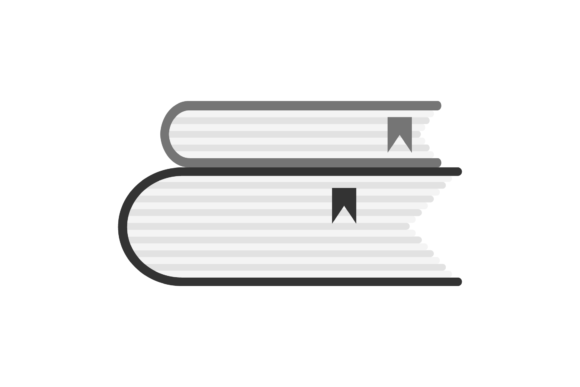
School Book Vector-8: A Designer’s Practical Review
As a designer who has spent years translating digital concepts into tangible threads, I have learned that not every graphic translates well to fabric. Some designs look stunning on a screen but become a tangled mess under the needle. When I first opened School Book Vector-8, my immediate goal was to determine if this asset could survive the transition from vector path to stitched reality. This is not just about aesthetics; it is about functionality, durability, and the final perceived value of the handmade product.
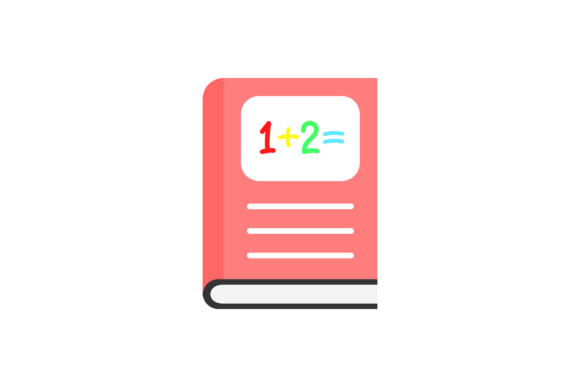
The first impression of School Book Vector-8 is one of clean, academic nostalgia. It carries a mood that is both intellectual and playful, making it an excellent candidate for back-to-school collections, library-themed decor, or teacher appreciation gifts. The layout feels balanced, with a visual personality that avoids being overly childish while still maintaining approachability. For embroidery designers, this balance is crucial. We need assets that appeal to a broad demographic without sacrificing detail.
From Screen to Stitch: Real-World Application
To truly evaluate this design, I imagined a specific real-life scenario: creating a custom embroidered tote bag for a local bookstore’s summer reading program. The client wanted something durable, recognizable, and stylish enough for adults to carry without feeling like they were wearing a uniform. School Book Vector-8 fit this brief perfectly. Because the product includes vector files compatible with Adobe Illustrator and Corel Draw, I was able to manipulate the scale and spacing before digitizing.
In this context, the design performs exceptionally well on medium-weight canvas. The shapes are distinct enough that they do not get lost in the texture of the fabric. However, the success of such a project relies heavily on how we handle the digitization process. Since School Book Vector-8 is provided as a graphic illustration, it requires careful conversion into a machine embroidery design. I found that simplifying some of the finer lines helped maintain clarity, especially when using a standard satin stitch for borders and a fill stitch for larger areas.
Beyond tote bags, this asset shines in custom apparel. Imagine it embroidered on the chest of a high-quality sweatshirt. The boldness of the design holds up well against the looped texture of fleece. For baby embroidery projects, such as a nursery blanket or a personalized bib, the design offers a sweet, educational theme that parents love. However, when scaling down for smaller items like baby clothes, one must be cautious. Tiny details can easily merge if the stitch density is too high or if the stabilizer is not adequate.
Navigating Fabric and Hoop Constraints
While School Book Vector-8 is versatile, it is not without its limitations. Experienced crafters know that certain fabrics challenge even the best designs. When working with stretchy fabrics, such as jersey knits for t-shirts, the design requires a robust cut-away stabilizer to prevent puckering. If you are planning to use this on a curved surface like a cap, you must consider the hoop size carefully. A small hoop might restrict the design’s full width, forcing you to crop or resize it, which could compromise the visual balance.
Dark fabrics present another consideration. If you are stitching School Book Vector-8 onto a navy or black garment, thread color contrast becomes your most important tool. Lighter thread colors will pop, but you must ensure that the underlying fabric does not show through gaps in the stitching. Testing the design on scrap fabric is non-negotiable here. I always recommend running a test stitch-out to check for any areas where the fabric might peek through, adjusting the stitch density or adding an underlay if necessary.
For those interested in creating an embroidered patch, this design is a strong contender. Patches allow for higher stitch densities and more dramatic textures because they are not constrained by the drape of a garment. Using a heavy tear-away or water-soluble stabilizer, you can achieve crisp edges that make the patch look professional. This approach works well for small shop products sold at craft fairs, where durability and visual impact drive sales.
Enhancing Brand Value and Customer Trust
For Etsy sellers and creative entrepreneurs, the choice of design assets directly impacts brand consistency. School Book Vector-8 offers a level of professionalism that elevates a simple item into a boutique-quality product. When customers see clean, well-executed embroidery, their trust in the maker increases. This design, with its clear lines and recognizable theme, contributes to a polished finished product that feels intentional rather than generic.
In the realm of digital product sales, having access to the original vector files is a significant advantage. While this review focuses on physical embroidery, the ability to create printable mockups using the same asset ensures that your online listings match the physical reality. Consistency between your digital embroidery file previews and the actual handmade product reduces customer confusion and returns. It allows you to present a cohesive brand image across all platforms, from your website to your social media channels.
Practical Notes for the Embroidery Designer
Before committing to a large production run or listing a new item in your store, there are several practical steps you should take with School Book Vector-8:
- Check Licensing: Always confirm the license terms before selling finished items. Ensure that commercial use is permitted for both physical goods and digital derivatives.
- Test on Scrap Fabric: Never skip this step. Test the design on the exact fabric type you plan to use for the final product to check for puckering or thread breaks.
- Evaluate Stitch Density: High density can make fabric stiff, while low density may look sparse. Adjust your digitizing settings to find the sweet spot for your specific material.
- Contrast Check: View your design in black and white to ensure the shapes remain distinct without relying on color differences. This helps in choosing thread colors for monochrome projects.
- Hoop Size Verification: Measure your design against your available hoops. If resizing is needed, ensure that the proportions remain intact and that no critical details are lost.
Ultimately, School Book Vector-8 is a reliable asset for designers who understand the nuances of embroidery. It is not just a graphic; it is a foundation for creating meaningful, high-quality handmade products. Whether you are decorating holiday gifts, producing small batch merchandise, or crafting personalized apparel, this design offers the flexibility and charm needed to succeed in a competitive market. By respecting the technical requirements of the medium and leveraging the versatility of the vector format, you can transform this digital file into a tangible item that delights customers and strengthens your brand.