Teacher Day Flat Illustration: A Designer’s Review
As a designer who spends half my life digitizing and the other half stitching, I have learned that not every pretty graphic translates well to thread. We often get swept up in the visual appeal of a digital file, forgetting that embroidery is a tactile medium with physical limitations. When I first opened the Teacher Day Flat Illustration, my initial reaction was one of cautious optimism. The clean lines and vector-based structure suggested potential, but I needed to know if it would hold up under the needle. This review breaks down how this asset performs in real-world applications, from boutique apparel to handmade gifts.
First Impressions: Clarity and Mood
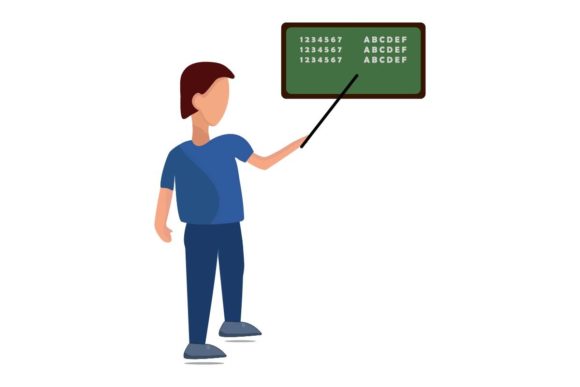
The mood of this illustration is warm, appreciative, and professional without being overly sentimental. For educators, this balance is crucial. You want a design that feels respectful and celebratory, not childish or cluttered. The flat illustration style works in our favor here. Unlike complex shaded artwork, flat designs rely on solid blocks of color and clear shapes. This simplicity is a gift to the embroiderer. It means fewer color changes, cleaner edges, and a lower risk of thread breaks during production.
Visually, the layout feels balanced. Whether you are placing it on the left chest of a polo or centering it on a tote bag, the composition holds its own. The vector nature of the source files—specifically the included AI and EPS formats—means we are not dealing with pixelated edges. For those of us who need to resize graphics for different hoop sizes, this scalability is non-negotiable. You can shrink it for a baby onesie or expand it for a pillow cover without losing definition.
Real-World Application: The Custom Tote Test
To truly evaluate the Teacher Day Flat Illustration, I imagined a common scenario: a small shop owner preparing a batch of custom canvas tote bags for end-of-year teacher gifts. Canvas is a sturdy, textured fabric that can chew up delicate details. Because this design utilizes bold, flat shapes, it pairs exceptionally well with heavier fabrics. The lack of intricate, tiny lettering reduces the risk of the stitches merging into an unreadable blob, a common issue when embroidering on textured materials like canvas or terry cloth towels.
If you are an Etsy seller or run a craft business, versatility is your best friend. This design fits seamlessly into several product categories. Imagine it stitched onto a high-quality apron for a home economics teacher, or perhaps as a decorative accent on a nursery decor item for a preschool educator. The RGB color profile mentioned in the description allows for vibrant digital mockups, which are essential for your online listings. However, remember that screen colors differ from thread colors. Always map your digital palette to your physical thread chart before committing to a large batch.
Apparel and Wearables
When moving from home goods to apparel, the stakes change slightly. For sweatshirt embroidery, the softness of the fleece requires careful attention to stitch density. Since this is a flat illustration, you have the control to adjust the fill stitch density in your digitizing software if you are converting it yourself, or you can trust that the open spaces in the design will prevent the garment from becoming stiff and board-like. For caps and hats, the curved surface presents a challenge. Large, wide designs can distort on the front panel of a baseball cap. If you plan to use this on headwear, consider scaling it down or focusing on the central element of the illustration to maintain proportion.
Baby embroidery is another lucrative niche. Parents love personalized items, and teachers of young children often receive gifts from students. If you adapt this design for baby clothes, ensure you are using soft threads and appropriate stabilizers. The editable nature of the files means you can simplify the design further if needed, removing any elements that might feel too scratchy or dense for sensitive skin.
Technical Considerations for Embroiderers
While the provided files include SVG, PDF, JPEG, and HD PNG options, it is vital to understand what these mean for your workflow. The SVG and vector files (AI, EPS) are your starting points for customization. They allow you to change colors easily to match school branding or specific team colors. However, these are not machine embroidery files themselves. You will need to digitize them or use a conversion tool if a specific DST or PES file is not provided. Always check the license terms before selling finished products. Just because a file is editable does not automatically grant commercial rights for resale.
Stitch clarity is paramount. In my experience, flat illustrations translate beautifully into satin stitches for borders and fill stitches for larger areas. However, be wary of very small details. If the illustration includes tiny icons or thin lines, they may need to be converted to running stitches or removed entirely if they fall below the minimum stitch width of your machine. Testing on scrap fabric is not just a suggestion; it is a requirement. Run the design on the same fabric type you intend to use for the final product. Check for puckering, thread tension issues, and color contrast.
Navigating Fabric Challenges
Dark fabrics pose a unique challenge for light-colored designs. If you are stitching this illustration on a navy blue teacher’s sweater, you may need to add an underlay or choose thread colors with higher contrast. The HD PNG included in the package is excellent for visualizing this contrast digitally before you thread your needle. For stretchy fabrics like jersey knits, proper stabilization is key. A cut-away stabilizer is usually recommended to prevent the design from distorting after washing. Since teachers wear their apparel frequently, durability is a major selling point for your finished product.
Enhancing Brand Value and Customer Trust
From a business perspective, the quality of your design assets reflects directly on your brand. Using a crisp, professional illustration like Teacher Day Flat Illustration elevates the perceived value of your handmade product. Customers can spot a low-resolution, pixelated image from a mile away. By starting with vector graphics, you ensure that your marketing materials, from printable mockups to social media posts, look polished and professional. This consistency builds trust. When a customer sees a clean, well-executed design in your preview images, they expect the same quality in the physical item.
Furthermore, the ease of customization allows you to offer personalized options without extra labor. You can quickly swap out colors to match a school’s mascot or add a name below the illustration if your digitizing skills allow. This level of service turns a standard embroidered patch or tote bag into a cherished keepsake. It transforms a simple transaction into a meaningful connection between the giver, the receiver, and the maker.
Final Verdict
The Teacher Day Flat Illustration is a strong contender for any designer’s library. Its strength lies in its simplicity and adaptability. It respects the constraints of embroidery while offering enough visual interest to stand out. Whether you are creating holiday embroidery for a school fundraiser, designing custom apparel for staff appreciation week, or building a catalog of digital embroidery files for other makers, this asset provides a solid foundation. Just remember to respect the technical process: test your stitches, choose your stabilizers wisely, and verify your licensing. With these steps, you can turn this digital graphic into a tangible, high-quality finished product that teachers will be proud to display.